


Designs to Save the Planet
When recently retired mayor Mike Bloomberg announced his plan for mandatory composting in New York City last June, the idea was met with derisive groans from media outlets and much of the public.
Going from unimaginable mountains of trash to a “Zero Waste to Landfill” metropolis is the proverbial mountain moving problem made real. So when a press release from Simon Fraser University Art Galleries, in Vancouver, BC arrived today, it prompted me to briefly explore this subject—not a bad way to spend the morning indoors, with the temperature hovering around 9F.
SFU, which is known for “a radical past, commitment to academic freedom, interdisciplinary research and innovative pedagogy” [according to the press release], is in the
third year of its five-year plan to divert 70% of its waste from the landfill. “Green by 2015” is the slogan, and its website features well-designed graphics and inviting text, like “Save Cash, Avoid the Trash” and “A Lighter Holiday
Footprint.”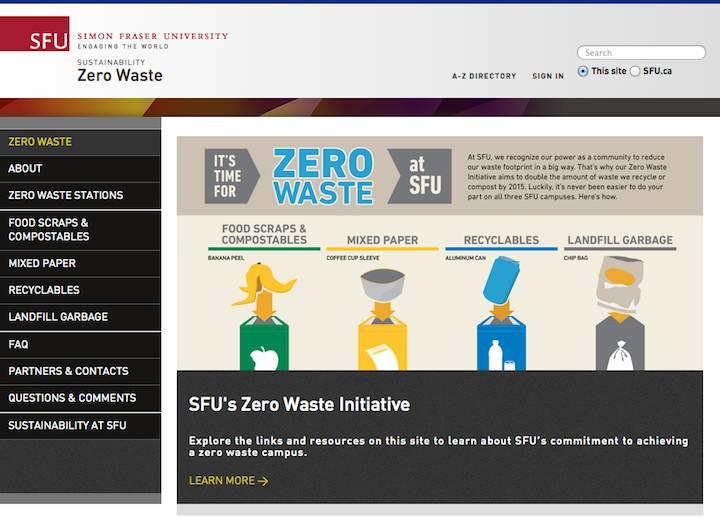
Straightforward, highly informative, and—most importantly—non-judgmental in tone and content—the program strikes me as a model for convincing naysayers of fundamental truths.
So I looked around further and discovered that while most Zero Waste proponents are either highly academic, off-puttingly preachy, or scolding zealots—and with bland websites to boot—a couple of initiatives rose to the surface.
Both of my favorites originate from my childhood home, New Hampshire, whose motto is “Live Free or Die.” The first is a commercial hauling company, Mr. Fox Composting. Owned and operated by Rian Bedard, a New Hampshire native, the company proposes “A beautiful friendship between you and your dirt.” The site is peppered with encouraging words, like "we can do this," so you know you're not alone. Having a charming brand character based on Roald Dahl's wickedly cool Fantastic Mr. Fox doesn't hurt either.
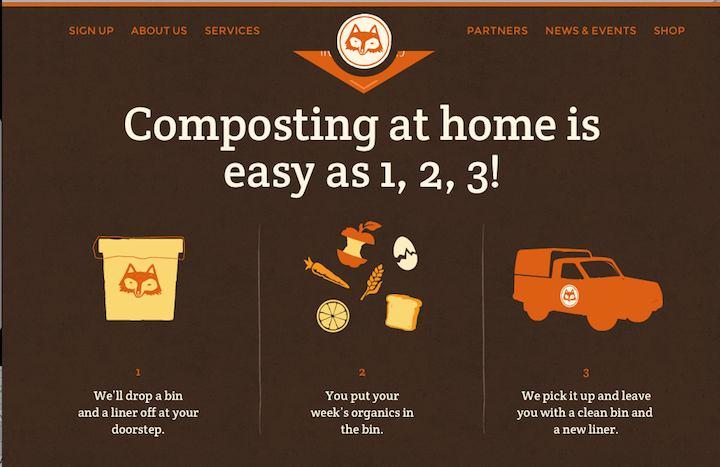
Bedard has somehow struck a happy medium in which the
commercial aspect of his operation is matched by an engaging and informative invitation to participate in something bigger and better than you and your stuff. He makes it easy to get down with the
necessity of moving towards Zero Trash to Landfill without making it seem like an impossible task. While customers do their own sorting, he supplies bins and liners. There are options, depending on
customer needs and budgets. And in the spring, each customer gets a bag of garden soil from compost.
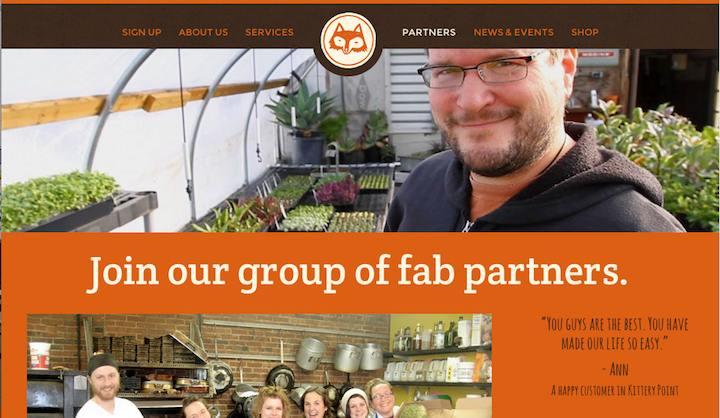
The second program that caught my eye is an initiative launched by Alex Freid, a student at the University of New Hampshire After his freshman year, he became disgusted by all the furniture, electronics and other belongings that his fellow students dumped in the trash as they departed for the summer.
Now in its third year, PLAN: The Post-Landfill Action Network, collects usable goods that otherwise would be discarded—sofas, televisions, dishes and lamps—cleaning and organizing them, and then selling them at a massive yard sale when students return to campus in the fall.
So far PLAN has diverted more than 100 tons of materials, saved the university more than $10,000 in disposal fees and generated more than $30,000 in revenue, which has been reinvested in other sustainability initiatives, such as a bike sharing service. And it led Freid, who graduated last May, to a full-time job focused on spreading such programs to other schools.
So even though NYC as a municipality is likely to lag behind in the Zero Waste movement, each of us can take steps to help solve this monumental problem. And maybe we can lobby for a student revolt led by the city’s considerable population of entrepreneurial designers and illustrators!