


Why Is the Great Wall Disappearing?
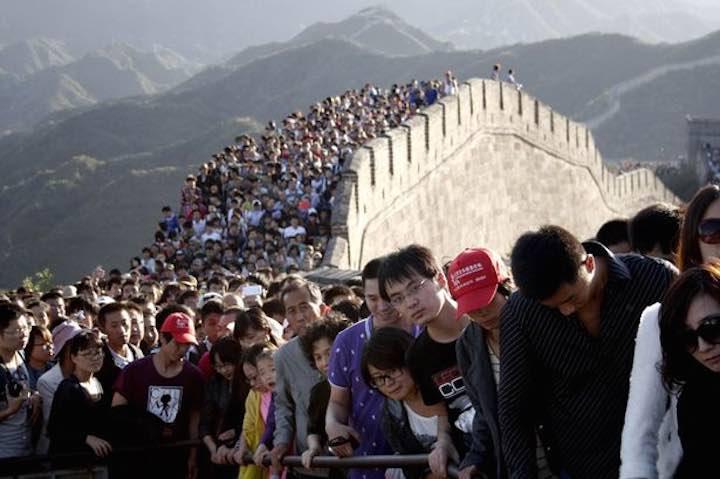
The Great Wall of China, a UNESCO World Heritage Site, is not a single unbroken structure but stretches for thousands of miles in sections, from Shanhaiguan on the east coast to Jiayuguan in the windswept sands on the edge of the Gobi desert to the west.
According to a report in The Beijing Times last week, it is so dilapidated in places that estimates of its total length vary from 9,000 to 21,000 kilometres, depending on whether missing sections are included.
Construction first began in the 3rd century BC, but nearly 6,300km were built in the Ming dynasty of 1368-1644, including the much-visited sections north of Beijing. Of that, 1,962km has melted away over the centuries, the report continued. Some of the construction has weathered away, while plants growing in the walls have accelerated the decay, said the report, citing a survey last year by the Great Wall of China Society.
“Even though some of the walls are built of bricks and stones, they cannot withstand the perennial exposure to wind and rain,” the paper quoted Dong Yaohui, a vice-president of the society, as saying. “Many towers are becoming increasingly shaky and may collapse in a single rain storm in summer.”
If the authorities were more concerned with preserving this “eighth wonder of the world,” perhaps they would limit access. The photo, top [Getty Images] shows crowds storming the turrents during the National Day Golden Week holiday. In fact, when the reports at the end of June were picked up all over the world, the official tourist agency of China tweeted, “The Great Wall is disappearing. See it before it’s gone.”
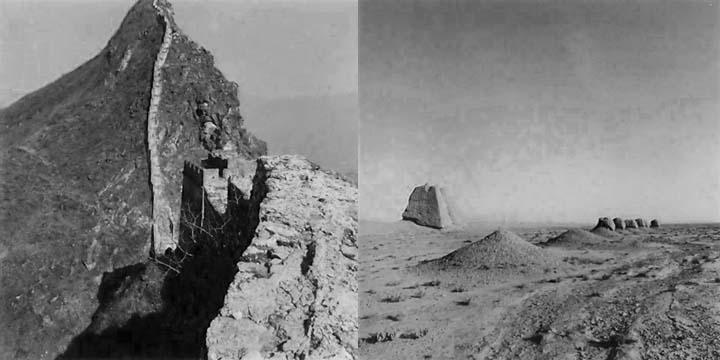
In 1988-89, Swiss photographer Daniel Schwartz was the first European allowed to photograph the Great Wall of China in its entirety. Among the photos in his book of the same name are these pictures of an eroded section in Gansu province, above right, where the Gobi Desert takes no prisoners. The Simitai Great Wall section, above left, about 120 k northeast of Beijing, is in better condition. Its 35 towers offer spectacular views of the Yansha Mountain and its valleys.