A New Babylon for Le Havre
Le Havre is a city that has risen from ashes more than once. After its commercial area and port were demolished during WWII by the British, to prevent a Nazi invasion of England, a new city rose in its place. Designed by Belgian architect Auguste Perret, the modern Le Havre was named by UNESCO a World Heritage Site in 2005.
But this was just another stage in Le Havre's long history of resourceful growth, which began in ernest during the reign of Louis XIV. At the onset of the Industrial Revolution, for example, the mayor saw an opportunity to turn his heavily fortified city into model for a new kind of urbanism. To accomplish that, he ordered the seaside ramparts torn down, allowing Le Havre to expand. As a protective measure, he had a massive fort built at Sainte-Adresse, a suburb to the north that, a few decades later, became a summer haunt for the Impressionist painter Claude Monet.
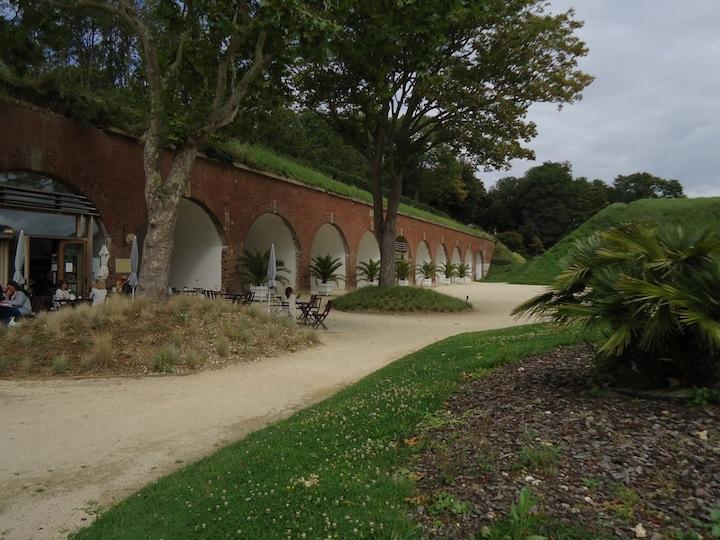
The fort was something of an anachronism from the start, as peace and prosperity took hold. In fact, it saw little military action beyond holding prisoners during the Franco Prussian war and quartering troops during WWI and WWII. In the 1990s it was decommissioned and turned over to Le Havre for its own use. After carefully studying the site, the city fathers saw a unique opportunity to create a dream-like environment for its own citizens.
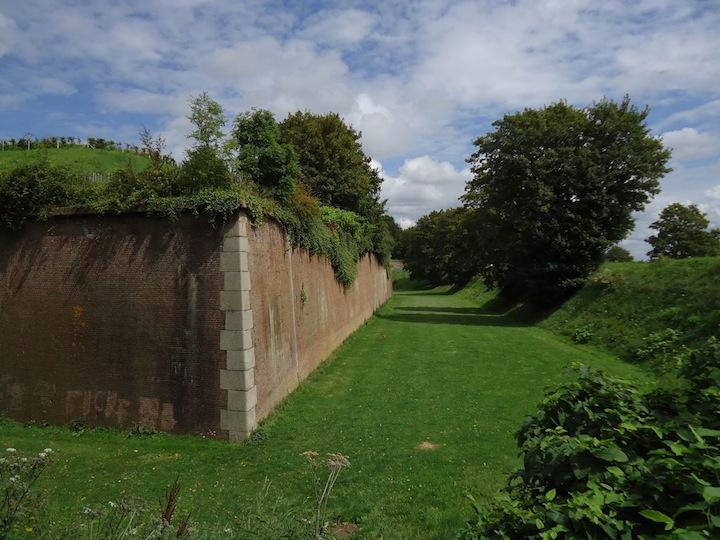
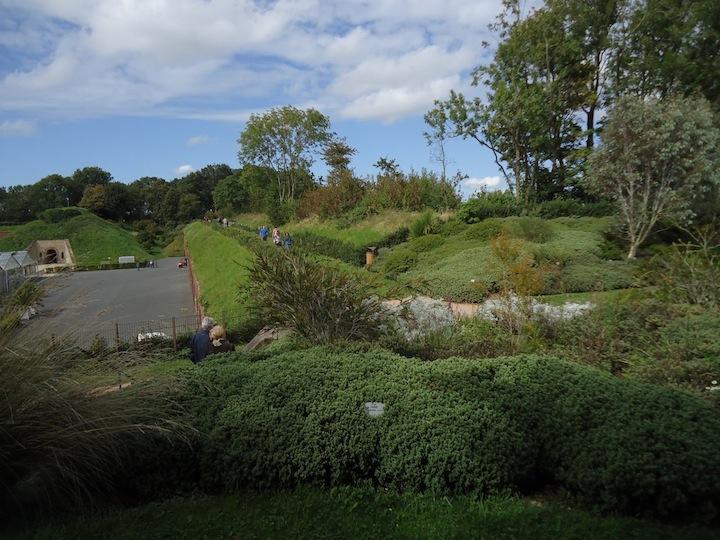
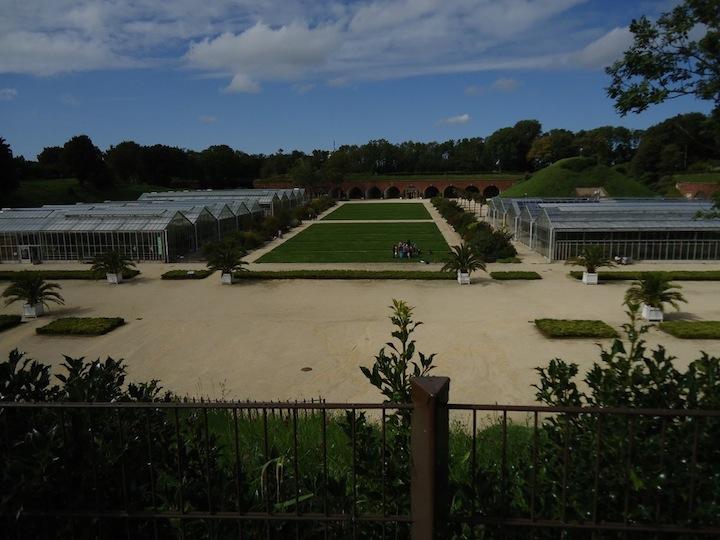
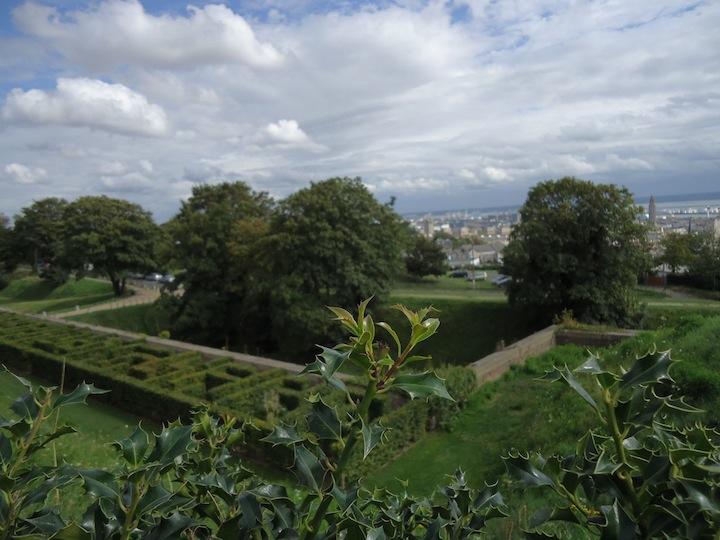
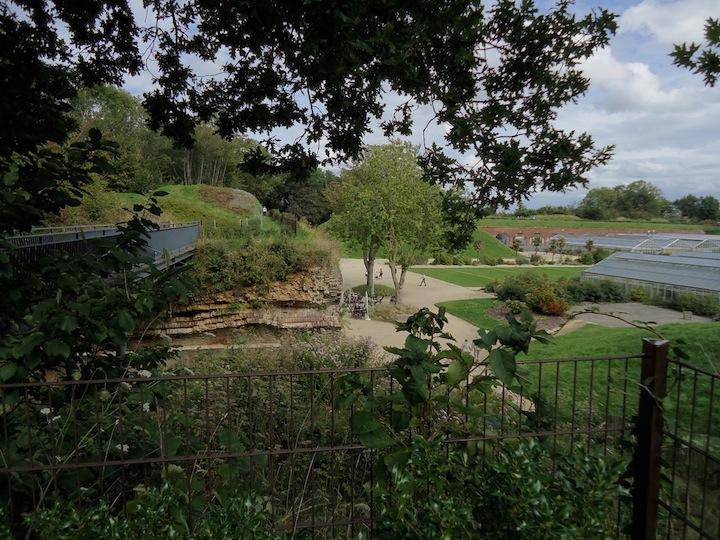
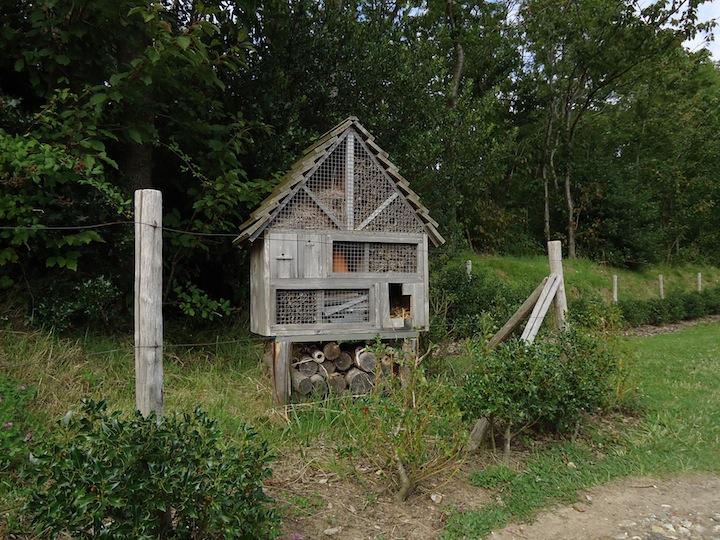
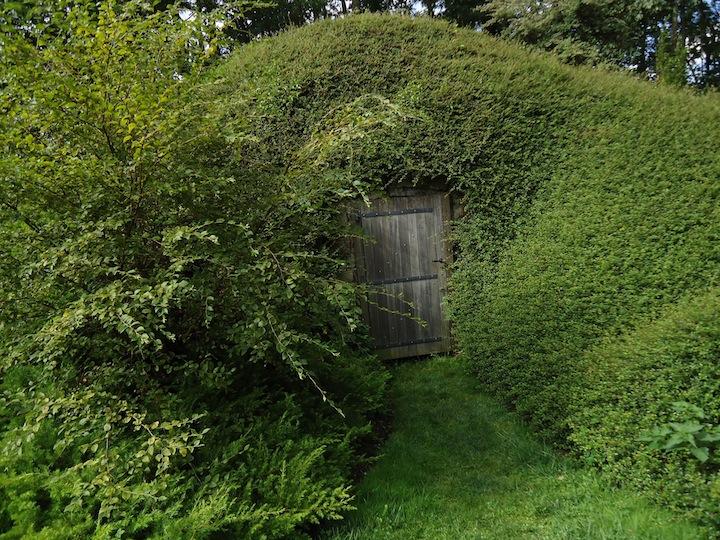
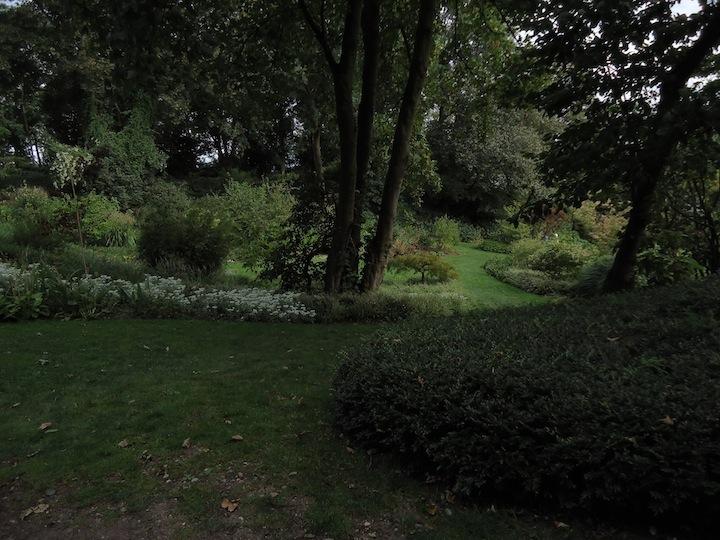
Les Jardins Suspendus, as it is now called, is a place for enjoyment, relaxation, and scientific pursuits. This extraordinary botanical garden, never viewed as a tourist attraction [and which I found out about completely by accident], celebrates the vegetal findings from voyages of discovery made during the 16th and 17th centuries by Haverian explorers. The lead landscape architect, Samuel Craquelin, is a paysagiste, or land artist; in shaping the conversion of the colossal space, he sculpted the earth into massive mounds, lovely berms and unforgettable vistas within and beyond the structure.
In addition to preserving and propagating species brought back from Australia, New Zealand, North America and the Far East, plants are grown for the city’s municipal buildings and parks. All that is seen in the photos here is the result of work done between 2005-2008, from designs by architect/landscape artist Samuel Craquelin, assisted by architect Olivier Bressac and botanist Jean-Pierre Demoly. Information. Information. Photos: Peggy Roalf.
If you would like to subscribe to DART, go here.