Tailyr Irvine
Leonard Peltier Is Finally (Mostly) Free And Has A Lot To Say
This profile tells the story of Leonard Peltier’s first months of freedom after nearly 50 years in prison. It is the first in-depth interview he has given since coming home and offers a rare, personal look at a man who has spent most of his life being treated as a symbol. September 2025.
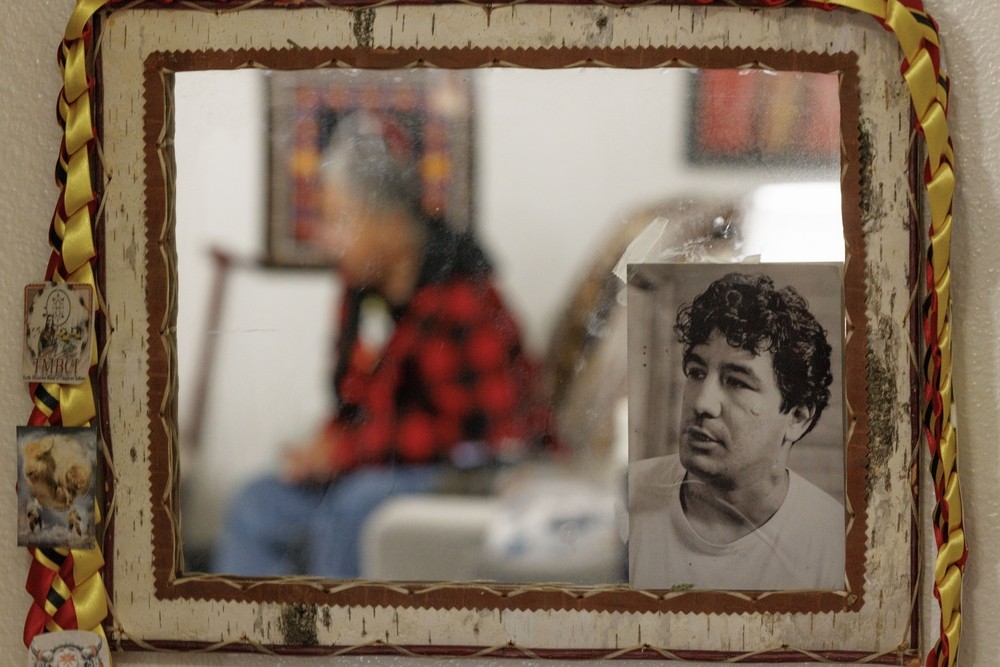
Peltier is one of the most well-known political prisoners in U.S. history. His case has been the focus of books, documentaries, and international human rights campaigns. But in this story, he is not just a headline or a cause. He is an 81-year-old man trying to adjust to life outside prison, drinking coffee in his recliner, learning how to use a cell phone, and reflecting on all that has been lost as well as what is still worth fighting for.
This piece centers Peltier’s voice while also placing his story in the larger context of Indigenous rights, historical injustice, and ongoing political resistance. It is about what freedom means after half a century. It is about what remains.