Mirko Ilic
Mirko Ilic Corp.
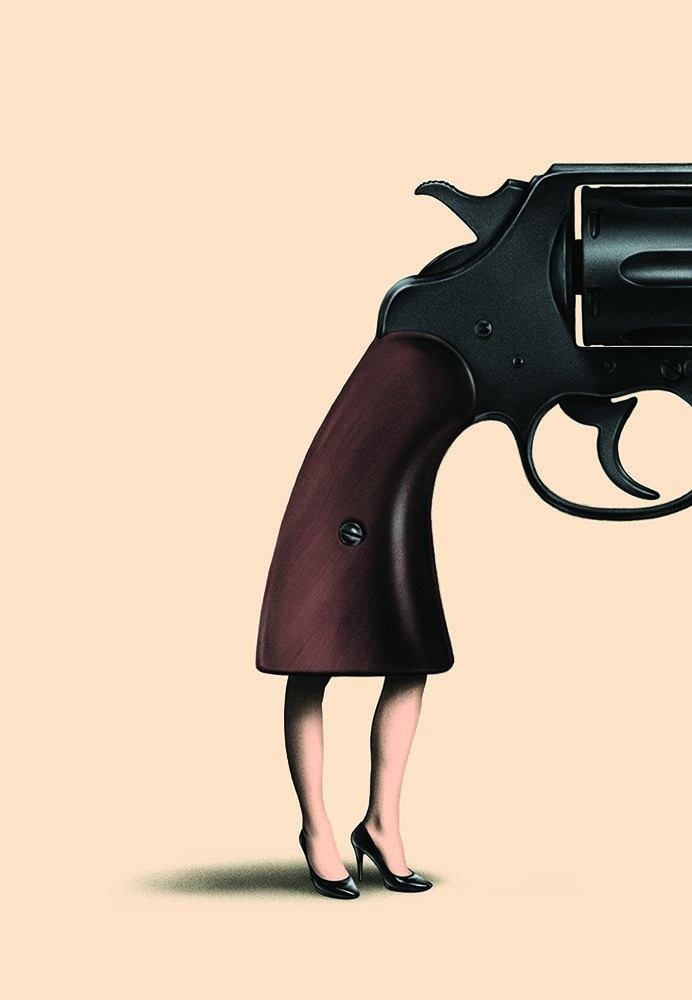
Hedda Gabler
Hedda Gabler. April 2025. The play was published in 1890 and reveals Hedda Gabler as a selfish, cynical woman bored by her marriage to Jørgen Tesman. Her father’s pair of pistols provide intermittent diversion, as do the attentions of the ne’er-do-well Judge Brack. When Thea Elvestad, a longtime acquaintance of Hedda’s, reveals that she has left her husband for the writer Ejlert Løvborg, who once pursued Hedda, the latter becomes vengeful. Learning that Ejlert has forsworn liquor, Hedda first steers him to a rowdy gathering at Brack’s and subsequently burns the reputedly brilliant manuscript that he loses there while drunk. Witnessing his desperation, she sends him one of the pistols and he shoots himself. Brack deduces Hedda’s complicity and demands that she become his mistress in exchange for his silence about the matter. Instead, she ends her ennui with the remaining pistol. The work is remarkable for its nonjudgmental depiction of an immoral, destructive character, one of the most vividly realized women in dramatic literature.
Even though the play was first performed over a hundred years ago, the heroine of the play is very much of our time. The destiny of Hedda Gabler from the end of the 19th century holds up a mirror to us, here and now, making us question whether we are in any way more aware or capable of facing up to the darkness inside us.
JDP-Yugoslav Drama Theater, Serbia