The Guardian Thursday March 19, 2026
A photo of the cemetery of Minab, Iran, seen as it prepared to bury more than 100 of the town’s young girls killed by US bombing, is “one of the defining images” of the conflict, notes The Guardian. But is it real? Google’s Gemini AI service told the newspaper that the viral image is fake. So did X’s AI assistant Grok. In fact, it’s real. “Numerous faked images and a string of startlingly inaccurate responses from Gemini and Grok are part of a tidal wave of AI slop engulfing coverage of the Iran war,” declares the newspaper. Read the full Story >>
AnOther Thursday March 19, 2026
Known for his brooding treatment of light and shade, British fashion and documentary photographer Jack Davison is drawn to portraiture for the mercurial nuances of expression, notes AnOther, which spotlights Davison’s exhibition “Portraits: 14-16 November,” on view at Cob Gallery in London through April 2. The show draws on a series of 90 portraits of 90 individual faces – each captured in an “in-between” attitude and reproduced with Davison’s signature dramatic chiaroscuro. Read the full Story >>
DP Review Thursday March 19, 2026
Harman Photo’s newest film, called Switch Azure, does a little something extra for photographers who want to experiment: As the name suggests, the film "switches" colors, rendering blues as orange, bright yellows as azure and reds as hues of purple or blue. Harman says that greens are less affected, but even those will shift depending on the original hue. Those who like realistic, natural colors from their film won't be fans, but for creatives who like to play around with unexpected results, it's an interesting option, notes DP Review. Read the full Story >>
ARTnews Thursday March 19, 2026
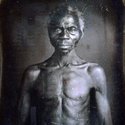
The International African American Museum (IAAM) in Charleston, South Carolina, has officially acquired a set of 15 daguerreotypes, dating to 1850, that scholars believe to be the earliest known photographs taken of enslaved Americans, notes Art News. The acquisition gives the photographs a “final resting place” after a six-year legal battle between Tamara Lanier, who says she is a descendent of two of the enslaved people, and Harvard University, where the photos lay largely overlooked until 1976, adds The New York Times. Read the full Story >>